When a disaster strikes, the damage cannot always be measured in numbers.
Homes disappear. Roads are washed away. Livelihoods are disrupted. Families lose the people they love. And places that once felt familiar can change completely within a matter of hours.
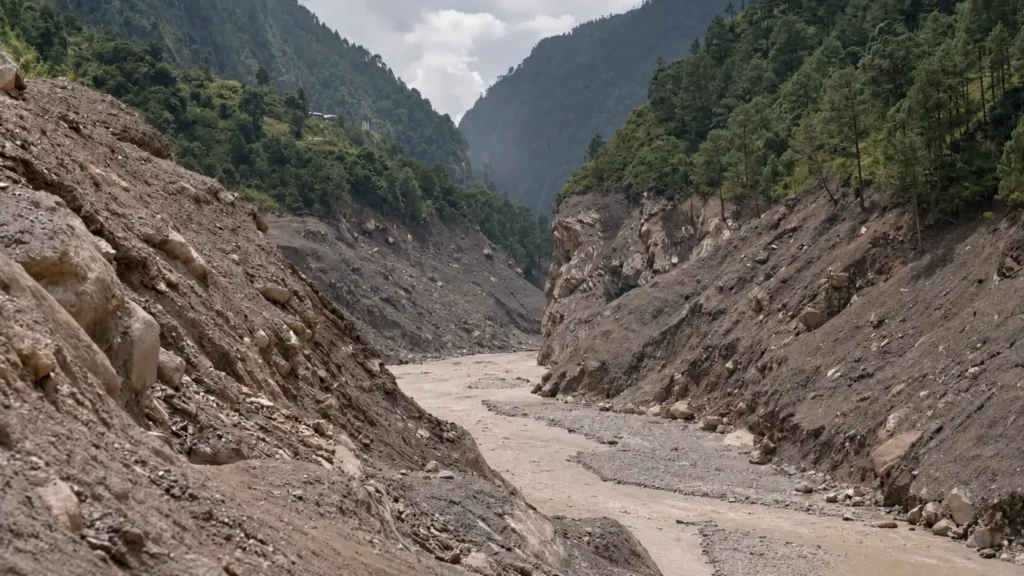
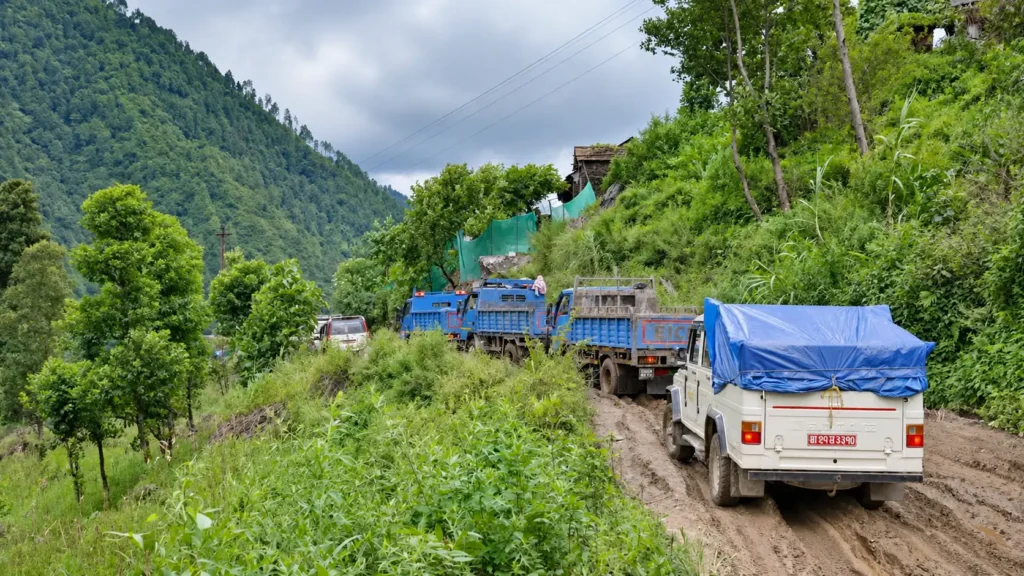
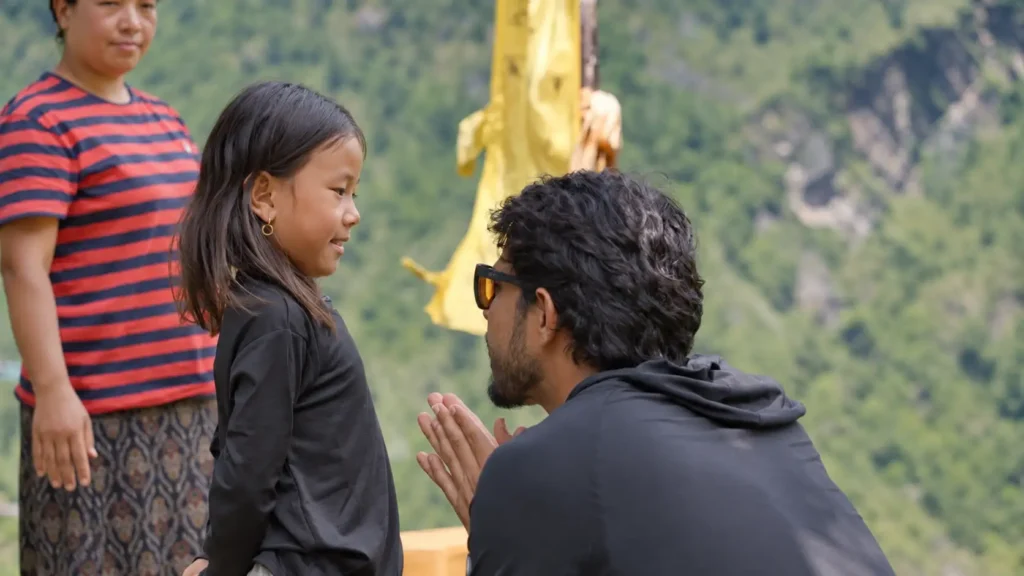
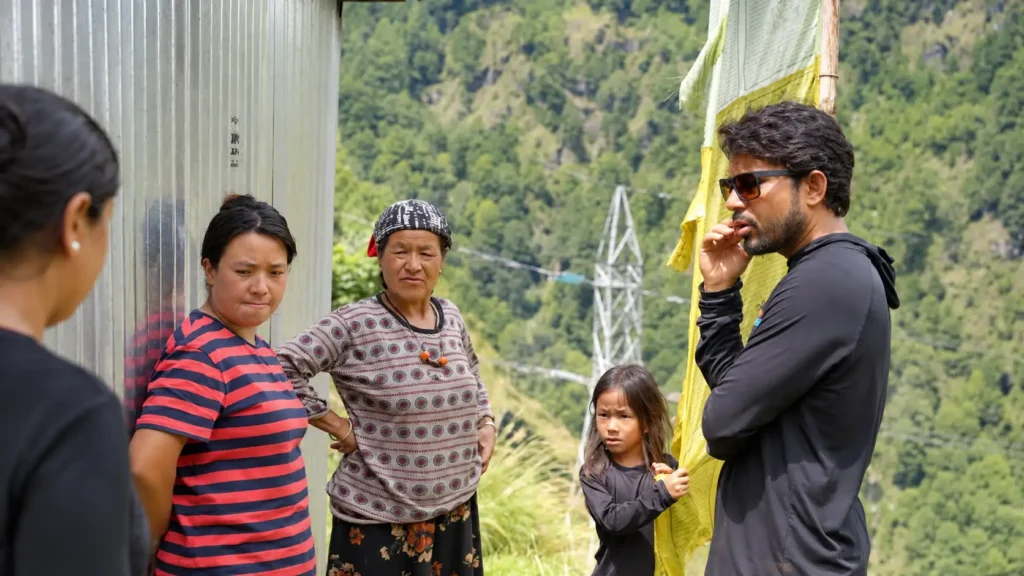
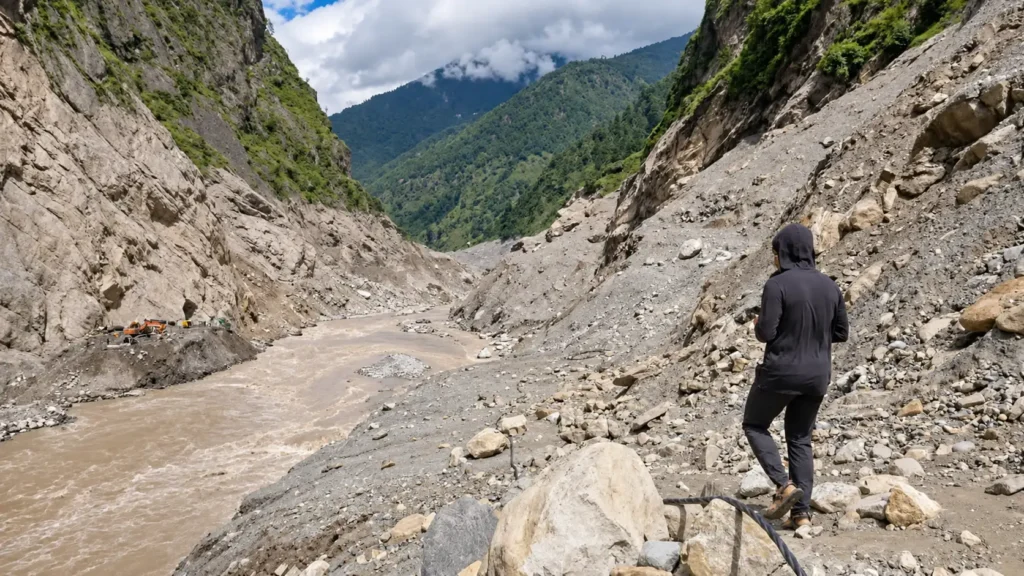
The recent floods and devastation across parts of Nuwakot and Rasuwa have left communities facing an unimaginable reality. As we travelled through Nuwakot, Betrawati, Rasuwa, Dhunche, and Syafrubesi, we witnessed the extent of the destruction firsthand.
What we saw was far beyond what photographs or reports can communicate.
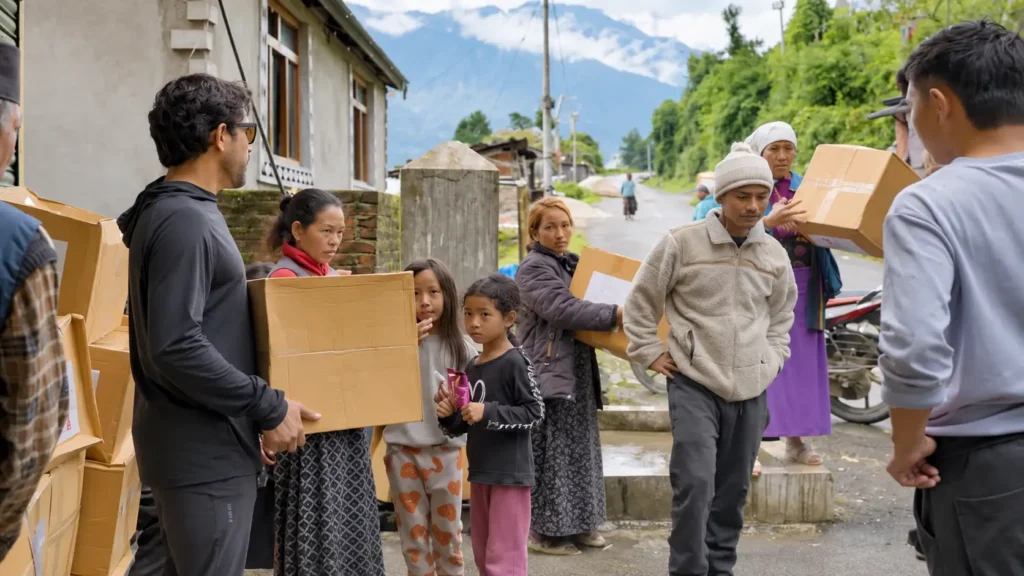
1,000 Dignity Boxes for Families Affected by the Floods
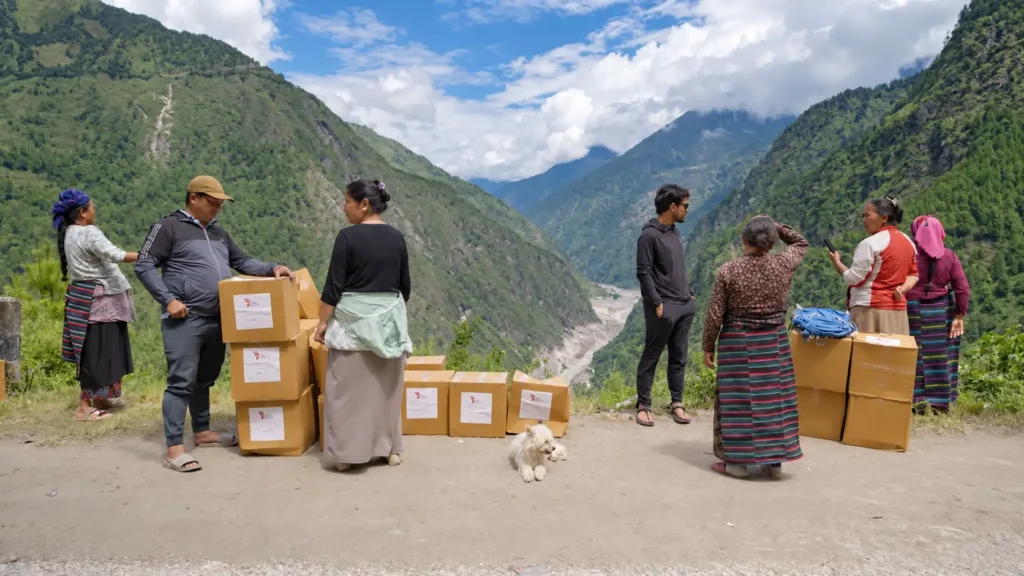
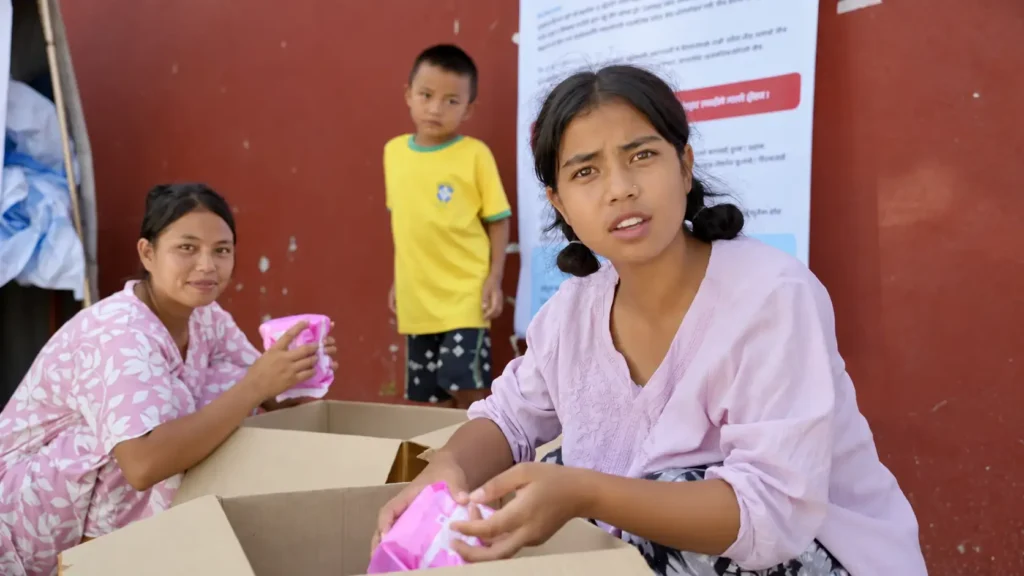
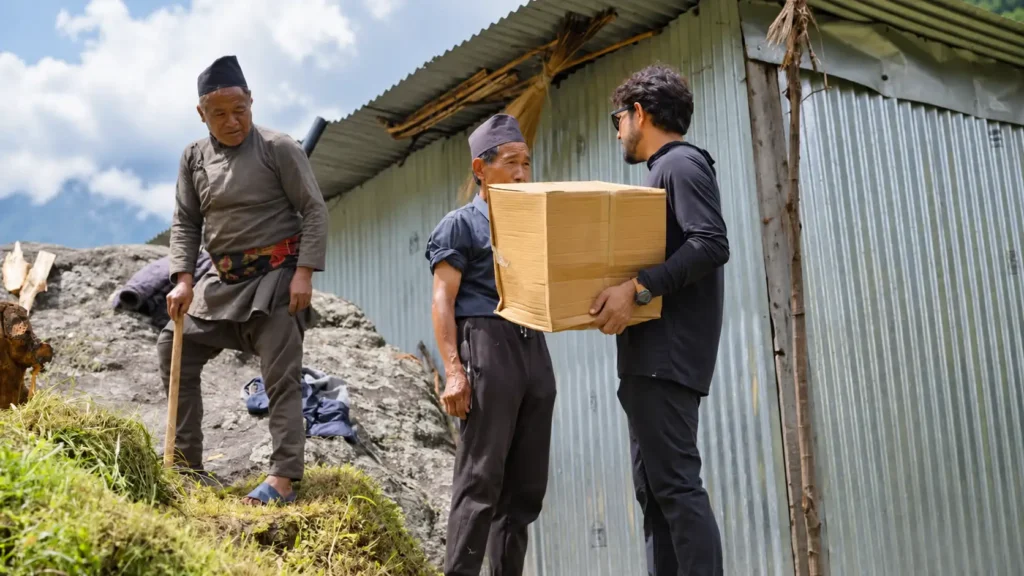
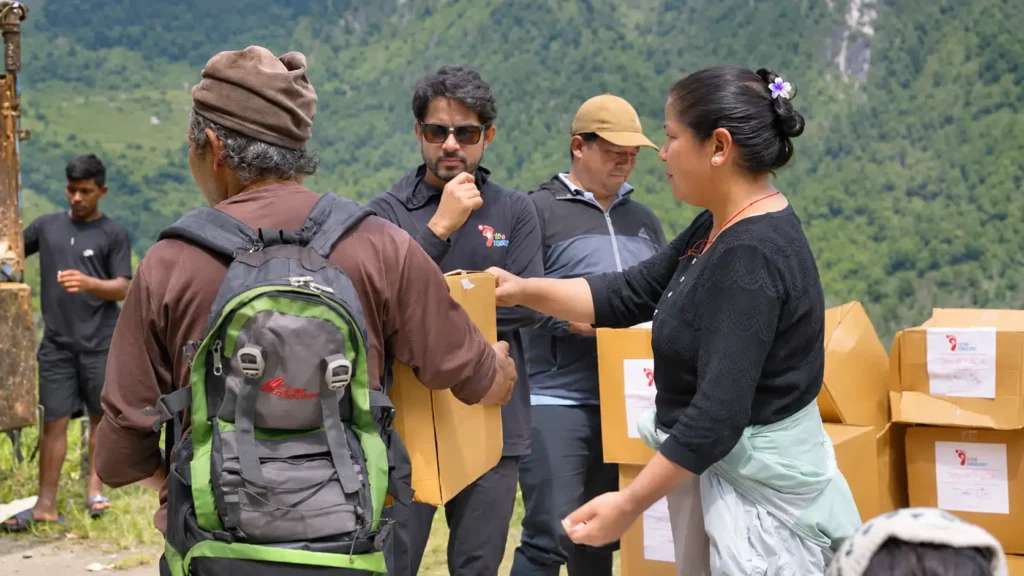
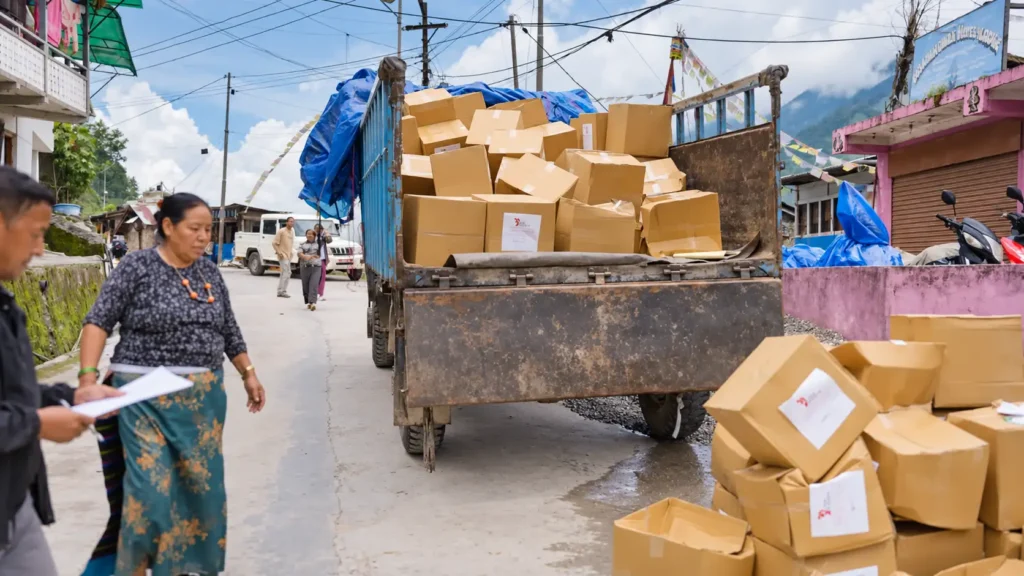
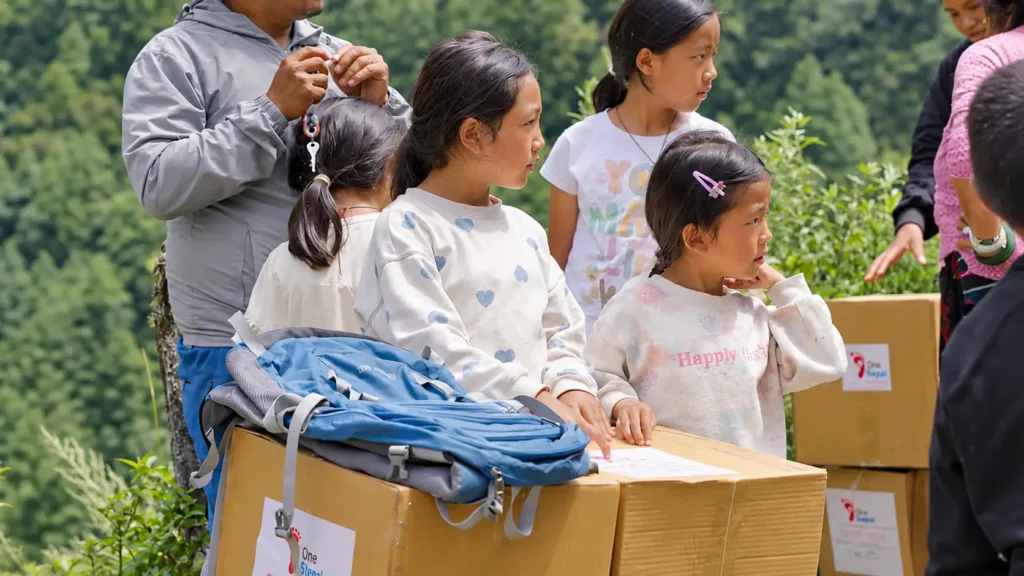
As a small contribution toward the relief efforts, we donated 1,000 Dignity Boxes for women and families affected by the disaster.
Each Dignity Box contains essential personal-care items, including:
● Sanitary pads
● Diapers
● Toothbrushes and toothpaste
● Women’s undergarments
In the aftermath of a disaster, basic hygiene and personal-care products can easily become overlooked. Yet these are necessities that directly affect a person’s health, comfort, and dignity.
The purpose of these boxes was simple: to provide some essential support to women and families who are going through an extraordinarily difficult time.
Beyond the Dignity Boxes: Rs. 25 Lakh to the Prime Minister’s Relief Fund
Alongside the distribution of 1,000 Dignity Boxes, we have also contributed Rs. 25 lakh to the Prime Minister’s Relief Fund to support broader disaster relief efforts.
We know that financial contributions and relief materials are only one part of responding to a disaster of this scale.
The needs are immense, and recovery will take time.
Seeing the Flood Damage Firsthand
Travelling through the affected areas made one thing painfully clear: what we have been able to do is very little compared to what these communities have suffered.
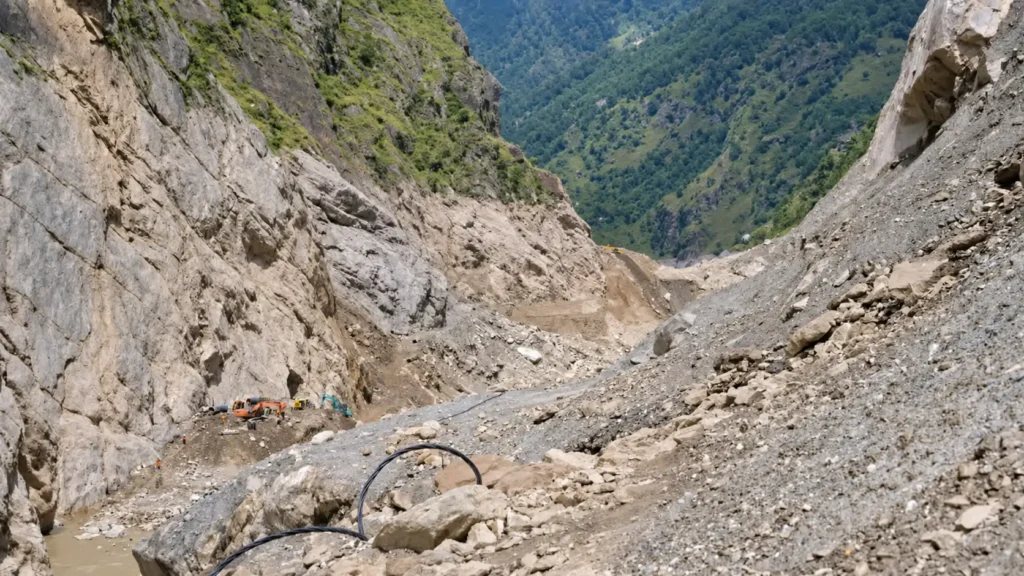
The roads themselves tell the story.
Sections of roads have been destroyed by rainfall, landslides, and raging rivers.
Infrastructure has been severely damaged, and communities that were once connected have suddenly found themselves facing enormous physical and emotional challenges.
But beyond the roads and damaged structures are people.
People who have lost homes.
People who have lost their livelihoods.
And, most painfully, families who have lost their loved ones.
When Your Relationship With a River Changes Overnight
Perhaps one of the most difficult things to witness is the way people’s relationship with the river has changed.
For generations, rivers have been part of everyday life. They have shaped communities, landscapes, livelihoods, and memories.
But in a single day, that relationship can change.
A river that was once part of the landscape became a source of destruction and loss.
For families living along these areas, this is not simply a natural disaster they will remember.
It is an experience that may permanently change the way they see the place they call home.
We Cannot Measure the Loss in Relief Boxes
A box of essential supplies can help.
A financial contribution can help.
Food, clothing, medicine, shelter, transportation, and other forms of assistance can help.
But none of these can replace a life that has been lost.
None can rebuild the memories of a home overnight.
None can erase the grief of a family mourning someone they love.
That is why, while we are grateful that we were able to contribute, we also recognize the
limits of what we have done.
Our contribution is small compared to the scale of the suffering.
Relief Today, Recovery Tomorrow
The immediate needs of flood-affected communities are enormous, but the journey does not end when the water recedes.
Families will need support to rebuild their homes, restore their livelihoods, access essential services, and recover from the emotional impact of the disaster.
The road to recovery will be long.
Our 1,000 Dignity Boxes and Rs. 25 lakh contribution to the Prime Minister’s Relief Fund are our small efforts toward that larger journey.
We hope they provide some comfort, dignity, and support to families during an incredibly difficult time.
Most importantly, we hope the people of Nuwakot, Rasuwa, Betrawati, Dhunche, and Syafrubesi know that their suffering has been seen, their stories matter, and people across Nepal are standing with them.
What we have done is little. What they have endured is immeasurable.
And perhaps, in times like these, the least we can do is show up, help where we can, and stand beside those who are rebuilding their lives.